5 minutes read
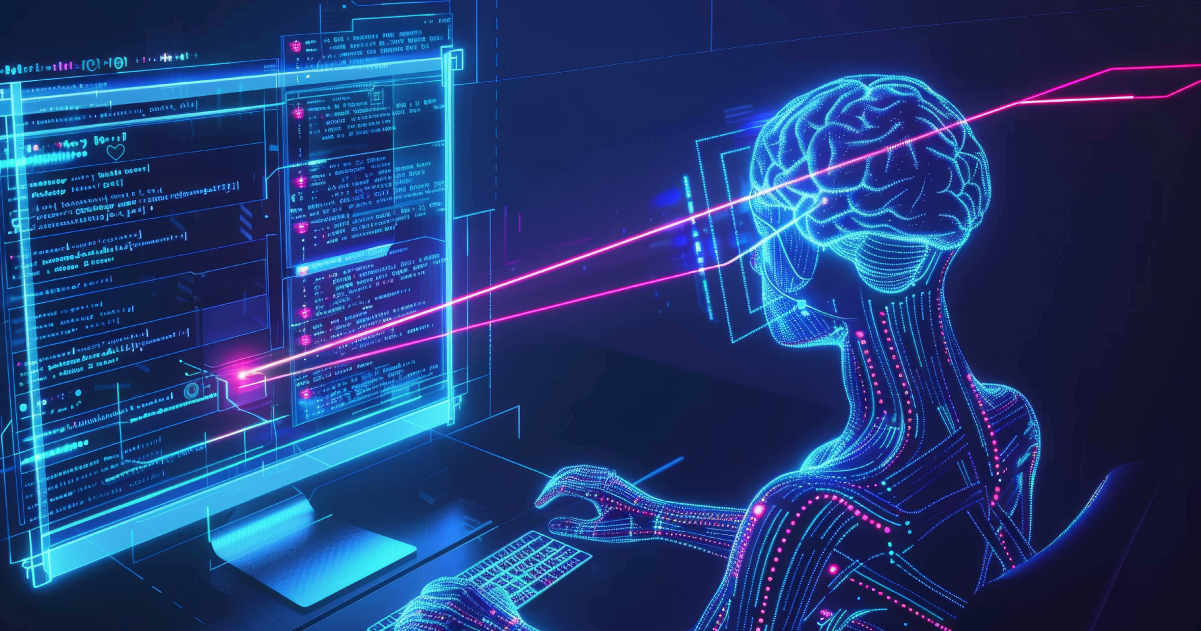
The role of the software developer is changing quickly, driven by the rapid rise of artificial intelligence. What once required deep technical mastery and countless hours of manual coding is evolving into a more collaborative relationship between humans and intelligent systems. AI has become a co-pilot for developers, supporting creativity, improving accuracy, and accelerating productivity in ways that redefine what it means to build software.
This transformation starts with the way AI assists in writing and understanding code. Developers no longer need to remember every syntax rule or manually construct every function. AI systems can interpret natural language, understand intent, and generate high quality code efficiently. Instead of spending hours on repetitive work, developers rely on AI to handle the execution while they focus on direction and problem solving. This shift empowers both junior and senior developers to produce higher quality work more quickly.
The adoption of AI is not just about speed. It is about elevating the role of the developer. Instead of being the person who writes every line of code, the developer becomes the architect of ideas, the strategist behind the system, and the validator of AI generated output. Clear communication of intent becomes one of the most valuable skills. Developers must articulate what they want the system to achieve, refine prompts, and guide the AI through contextual details. The better the direction, the more accurate the generated code will be.
Architectural thinking also becomes essential. While AI can build components rapidly, it cannot make long term decisions about scalability, maintainability, or system design. Developers must provide this strategic oversight. They need to understand the broader picture and ensure that AI generated components fit into the larger structure responsibly and securely. This is where human expertise remains irreplaceable.
Another important skill for the future developer is the ability to validate and refine AI generated code. AI can produce large volumes of output quickly, but developers must review the logic, identify potential flaws, and ensure it meets professional standards. Quality control becomes a more intellectual and analytical task rather than a mechanical one. Developers who excel at evaluating code will thrive in this new environment.
Creativity and problem solving also rise in importance. AI can provide solutions based on patterns, but human imagination is what drives innovation. Developers who can think abstractly, design better user experiences, and solve open ended problems will shape the next generation of software products. AI supports this process by freeing developers from routine tasks and giving them more mental space to innovate.
Collaboration becomes another key skill. AI is making development more accessible to non technical teams, including designers, founders, and product managers. Developers who can bridge these roles, communicate effectively, and work within multidisciplinary groups will have significant advantages. Instead of being isolated, development becomes a shared creative process.
Continuous learning is essential as well. AI technologies evolve quickly, and the tools developers use today may look very different a year from now. The future belongs to developers who remain curious, adaptive, and open to new methods and workflows. The ability to embrace new tools without resistance will become one of the defining traits of successful engineers.
In this new landscape, AI is not replacing developers. It is expanding what they can accomplish. Developers who learn to collaborate with intelligent systems will achieve more in less time and with greater impact. The skills of tomorrow revolve around communication, architecture, creativity, validation, and strategic thinking. These are the qualities that will define the next era of software development, where humans and AI build together in ways once thought impossible.
Published: