5 minutes read
Software creation is entering a new era. What started as a slow but steady rise in no code and low code platforms has now expanded into a powerful movement driven by AI generated applications. This shift is reshaping how startups launch products, how founders validate ideas, and how quickly teams can operate in a market where speed is everything. In 2025, the combination of accessible tools and intelligent automation is changing the rules of software development.
No code platforms were the first step in this transformation. They introduced the idea that software did not need to be designed only by engineers. Instead, nearly anyone could build functional digital products using visual interfaces, drag and drop components, and simple workflows. Entrepreneurs who lacked traditional programming knowledge could finally test ideas, build prototypes, and iterate without waiting for a technical co founder. This democratization reduced friction and encouraged experimentation in a way the industry had not seen before.
Low code platforms pushed this movement further. They allowed teams with some technical experience to build more advanced applications while still avoiding much of the repetitive work associated with custom development. The blend of modular components with the option to insert custom code gave developers a shortcut for complex projects while preserving flexibility. For startups operating under tight deadlines, this increased development speed became a strategic advantage.
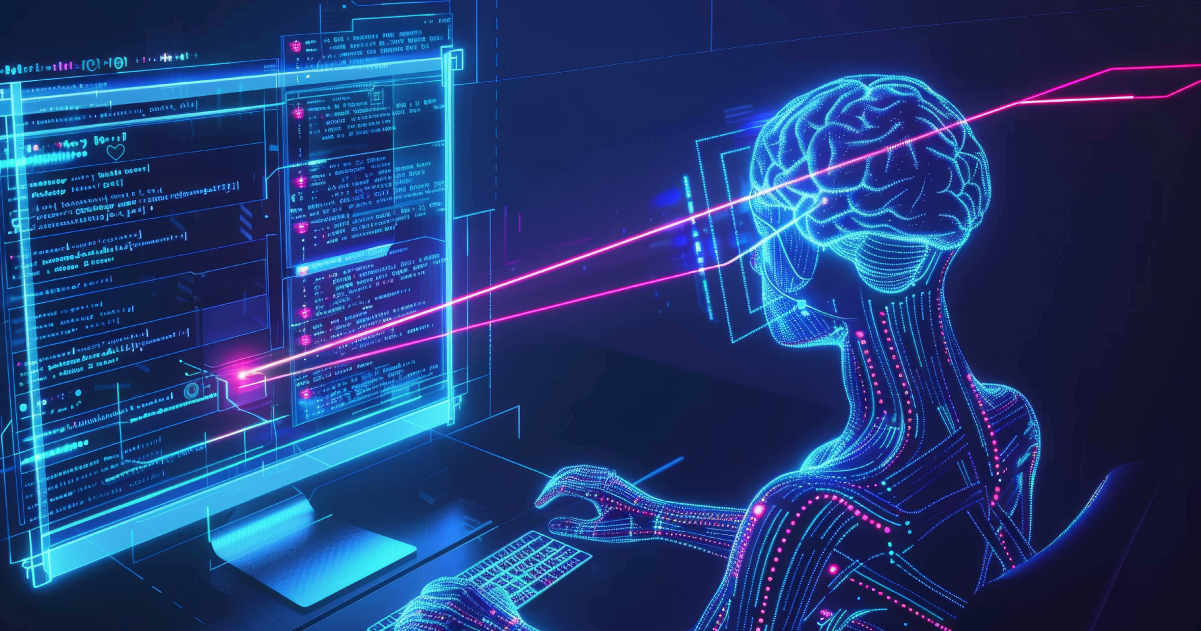
The biggest leap, however, has arrived with AI generated applications. These systems allow a user to describe a vision or requirement in natural language and watch the AI assemble the entire solution. This includes the user interface, the backend logic, the database structure, workflows, and even deployment instructions. Instead of spending weeks building a prototype, founders can now test a concept in minutes. This dramatic acceleration is redefining what it means to be an early stage startup in 2025.
The rapid growth of these technologies is not surprising. Most startups face the same constraints: limited budgets, competition for engineering talent, and pressure to validate ideas quickly. Traditional software development often makes this process slow and expensive. No code, low code, and AI generated apps remove these barriers by enabling founders to build before they hire and launch before they raise capital. Investors increasingly reward this approach, because traction speaks louder than theory. A founder with a working MVP stands out in today’s competitive funding landscape.
The market advantage created by AI generated development is especially significant. Small teams can now produce work that rivals the output of large engineering departments. This levels the competitive field and shifts the focus from who has the most resources to who moves the fastest. Startups can test multiple product variations, refine features in real time, and respond instantly to user feedback. Iteration becomes a continuous process rather than a costly event.
Of course, these tools are not magic solutions to every problem. Highly specialized systems, performance heavy applications, or projects requiring deep customization still benefit from traditional engineering. Human judgment remains essential, especially concerning architecture, scalability, and security. AI can generate code, but it cannot replace the understanding required to build complex systems responsibly. The best outcomes come from the collaboration between AI tools and thoughtful human decision making.
Founders navigating this new landscape must adapt their skills. Clear communication of requirements, a strong understanding of user journeys, fast experimentation, and the ability to guide AI systems through precise prompts are crucial. The focus is shifting from technical execution to strategic thinking. Founders who can articulate their product vision effectively will gain a significant advantage over those who rely solely on traditional development cycles.
Looking ahead, the rise of no code, low code, and AI generated apps represents a structural shift rather than a temporary trend. By lowering barriers to entry and drastically increasing the speed of creation, these tools are enabling startups to innovate more boldly and reach markets more quickly. The future of software in 2025 and beyond belongs to teams that embrace this accessible, AI supported approach to development. The winners will not be those who write the most code but those who turn ideas into reality the fastest.
Published: